

Leadership Cultural Intelligence: The New Nonprofit Superpower
Leading a nonprofit today feels like juggling constant change, tight budgets, and an increasingly diverse mix of staff, boards, and communities. The truth is, the leadership skills that carried us 20 years ago aren’t enough anymore. The missing piece? Cultural Intelligence (CQ).
CQ is the ability to adapt, connect, and lead effectively across differences—whether generational, cultural, or organizational. Without it, nonprofits risk staff turnover, donor disengagement, and programs that miss the mark. With it, organizations unlock innovation, build trust, and create teams that thrive.
This blog explores why CQ is the leadership superpower nonprofits need, what it looks like in action, and how to start building it into your organization today.
Ready to see how CQ could change the way your nonprofit leads?

Organizational Cultural Intelligence: The Future of Inclusive Leadership Amid Socio-Political and Organizational Shifts
In times of heightened uncertainty and political change, global organizations are finding themselves at a crossroads. As cultural dynamics evolve at breakneck speed, leaders must ask themselves a fundamental question: "How can we build organizations that thrive across cultural divides while maintaining strategic agility?" At Thriving Culture LLC, we anchor our work in Organizational Cultural Intelligence (OCQ) – a robust, research-driven approach that equips companies to navigate complex, multicultural landscapes and embed cultural adaptability into their DNA.

The Link Between Change Management & Culture Change
Change is a constant in the modern workplace, whether it's adopting new technologies, restructuring teams, or launching new initiatives. But despite the varied nature of these changes, one thing remains constant: every successful change management effort is, at its core, a culture change.

Culturally Intelligent Leadership: Safeguarding Workplace Safety Amid Political Tensions
The 2024 U.S. presidential race changed when Kamala Harris entered it. Her involvement introduced dynamics that will reverberate far beyond the political arena, especially in the workplace. With a Black candidate and, more notably, a Woman Black candidate vying for the highest office, the emotional and psychological impact on employees is undeniable—especially since she is running against Donal Trump. This phenomenon presents a unique challenge for organizations, particularly when it comes to navigating the undercurrents of racialized discourse and fostering a culture of psychological safety.

Cultivating Innovation: The Role of Structure, Leadership, and Process in Culturally Intelligent Organizations
In today’s rapidly changing world, innovation is not just a buzzword—it's a necessity. For organizations to remain competitive and relevant, fostering a culture of innovation is crucial. This culture is built on the pillars of structure, leadership, and process, all of which are fundamental elements of a Culturally Intelligent Organization. When these components are effectively integrated, they enhance psychological safety, a sense of belonging, and uphold the principles of Diversity, Equity, and Inclusion (DEI).

Navigating the Spectrum: The Impact of Cultural Values on Leadership & Teams
In the global tapestry of societies, cultural values serve as the threads that weave the rich, diverse fabric of human interaction. These values are not merely abstract concepts but are deeply ingrained principles that guide behaviors, decisions, and relationships both within and across communities. To understand and effectively engage with this diversity, the concept of cultural intelligence (CQ) emerges as a critical capability for individuals and leaders alike.

Setting Sail with Employee Resource Groups (ERGs): Charting a Course Through Cultural Intelligence
In our rapidly globalizing era, where boundaries blur and horizons expand, organizations are morphing into complex tapestries of backgrounds, talents, and perspectives. This intricate mosaic presents both challenges and opportunities. Central to harnessing this diversity is cultural intelligence, a compass that guides Employee Resource Groups on their transformative journeys.

Achieving Diversity & Inclusion in Higher Education: Embracing Cultural Intelligence in Admissions
In recent years, affirmative action policies in college and university admissions have faced significant challenges, with critics arguing that they create reverse discrimination and do not achieve the desired goals of promoting diversity and inclusion. In this context, the Supreme Court's ruling on negating affirmative action has sparked debates about alternative approaches to address the lack of representation of underrepresented groups on campuses. One promising solution lies in embracing cultural intelligence in the recruitment and admissions process. By recognizing the importance of cultural intelligence, educational institutions can foster a more inclusive and diverse environment, enriching the learning experience for all students.

Leading with Inclusion: The Imperative for Executives in Embracing DEI & Cultural Intelligence
In today's fast-paced and interconnected global landscape, Diversity, Equity, and Inclusion (DEI) have become crucial not only for fostering an inclusive workplace but also for maintaining a competitive edge. Organizations increasingly recognize the importance of embracing diverse perspectives, experiences, and backgrounds to drive innovation and growth. As leaders, executives are uniquely positioned to lead DEI efforts from the top-down. However, beyond understanding the need for DEI, another critical element for effective leadership is cultural intelligence.
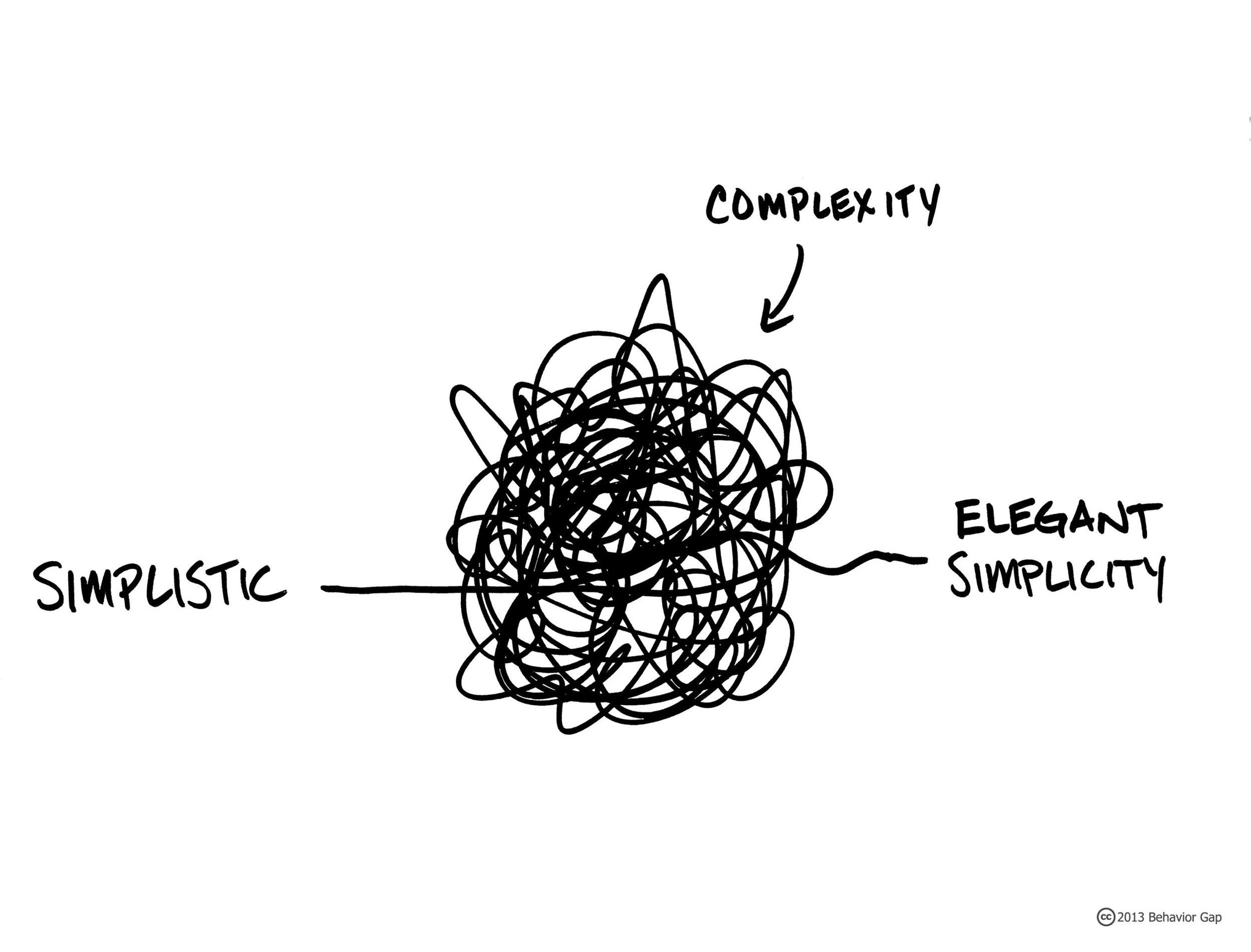
Navigating Diversity, Equity, & Inclusion (DEI) Work: Challenges & Cultivating Cultural Intelligence
In today's interconnected and diverse world, the importance of diversity, equity, and inclusion (DEI) cannot be overstated. DEI work strives to create more equitable and inclusive societies by addressing systemic inequalities and promoting an environment where everyone feels valued and respected. However, navigating DEI work comes with its unique set of challenges, requiring practitioners to adapt, empathize, and embrace cultural intelligence. In this blog, we explore the complexities of DEI work and delve into the significance of cultural intelligence in fostering meaningful change.

Unveiling the Power of Cultural Intelligence in Leadership
As the world becomes more interconnected and diverse, the workforce in the United States and around the globe is experiencing a significant transformation. The statistics show a dramatic shift, with a decline in the percentage of White workers and an increase in multicultural households and foreign-born residents. In this evolving landscape, the need for culturally intelligent leaders has never been more critical.

Promoting Pay Equity: Using Cultural Intelligence as a Theoretical Framework
Pay equity has emerged as a critical issue in the modern workplace, with increasing emphasis on promoting fairness, diversity, and inclusion. To address potential pay disparities, organizations must adopt a systematic and data-driven approach. In this blog, we will explore the concept of pay equity analysis and how cultural intelligence (CQ) can serve as a robust theoretical framework to guide organizations in building a comprehensive response.